
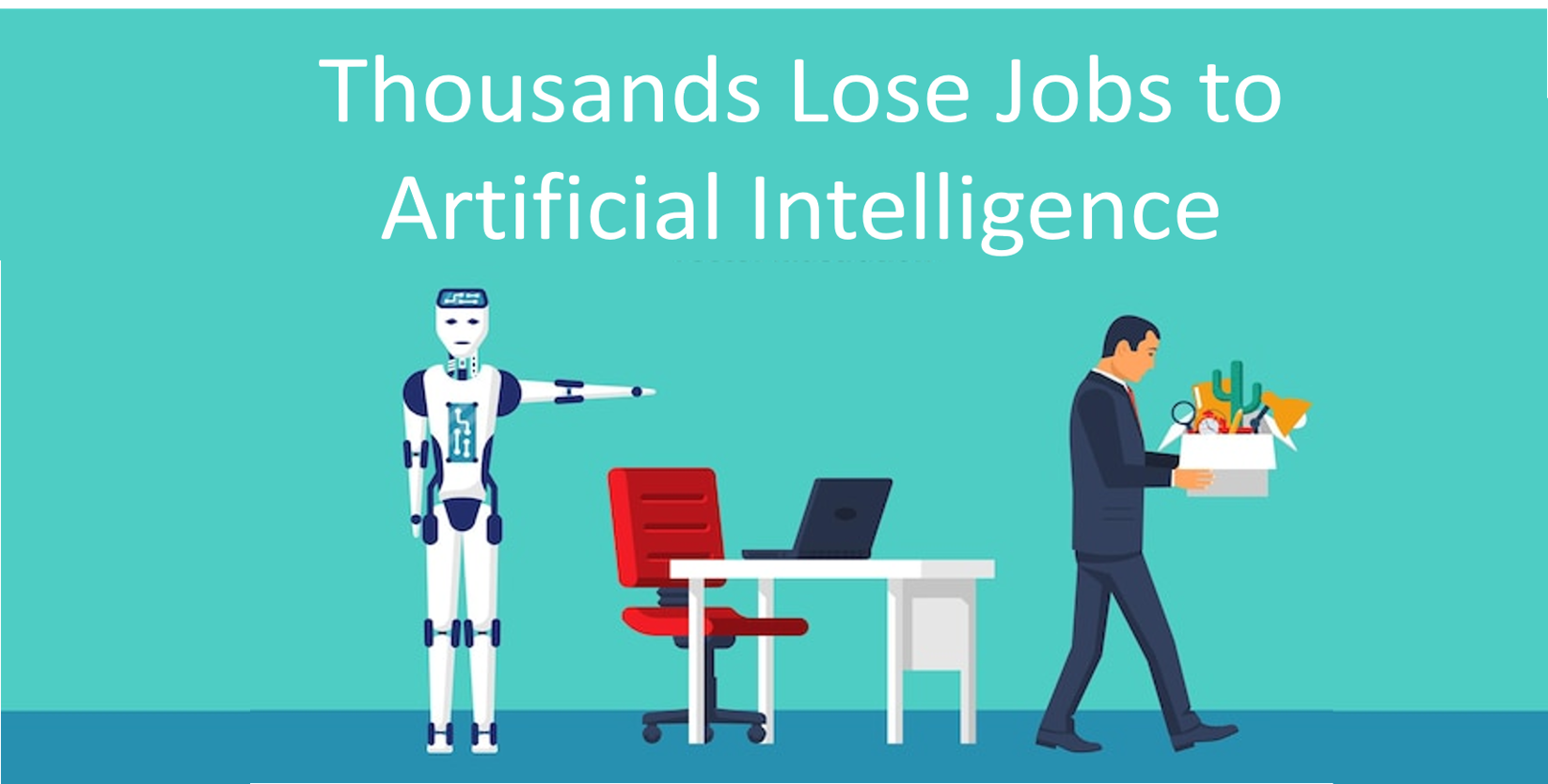
Are you worried about the possibility of losing your job because of AI? What if companies choose not to involve human intervention in their work processes?. The rapid rise of Artificial Intelligence is transforming workplaces worldwide. While this shift brings opportunities, it raises real concerns about job security.
Here are ways to stay ahead and thrive in an AI-driven world:
1. Utilizing AI as a Resource Rather Than Perceiving It as a Threat
- Learn to use AI in your daily work. Instead of competing with AI, become someone who knows how to leverage it to boost productivity and solve problems.
- Master the AI tools relevant to your field, whether it’s data analysis, content generation, or workflow automation. Being the go-to person for AI questions makes you indispensable.
2. Focusing on Unique Human Skills
- AI can process data and automate tasks, but it struggles with creativity, empathy, and complex problem solving.
- Strengthen your emotional intelligence, communication, collaboration, and adaptability. These soft skills are critical for leadership, team dynamics, and customer relationships.
- Engage in brainstorming sessions, take the lead on projects, and focus on active listening to preserve your human touch.
3. Becoming a Lifelong Learner
- The most resilient workers are those who continuously learn and adapt.
- Take online courses, attend workshops, and seek certifications in high-demand areas like data science, AI, cybersecurity, and digital marketing.
- Volunteer for AI-related projects at work to gain hands on experience and stay updated with the latest trends.
4. Building a Unique Skill Set
- Combine technical knowledge with domain expertise and soft skills. This hybrid approach makes you harder to replace.
- Develop niche expertise in areas where context, nuance, and real world grounding matter.
5. Making Yourself Unpredictable
- Routine, repetitive tasks are the first to be automated. Add variety and complexity to your work by experimenting, crossing disciplines, and taking on new challenges.
- Look for ways to innovate and improve processes, making your contributions less easy to model or replicate by AI.
6. Networking and Building Your Brand
- Stay visible in your industry by attending conferences, joining professional associations, and participating in online communities focused on AI and your field.
- Share your insights, write articles, and speak at events to establish yourself as a thought leader.
- Strong professional relationships and a recognized personal brand create more opportunities and job security.
7. Collaborating with AI, Not Completely Relying
- Use AI to enhance your work, but don’t let it replace your critical thinking or creativity.
- Recognize the drawbacks of AI and strike a balance between efficiency and innovation to preserve your decision-making skills.
8. Staying Informed and Adapting
- Keep up with industry trends and how AI is changing your profession. Be proactive in seeking new opportunities and adapting to change.
- AI won’t replace you. A person using AI will Embrace change and position oneself as someone who can work alongside AI, not be replaced by it.
AI is here to stay, but your future is still in your hands. By evolving faster than your environment, focusing on what makes you uniquely human, and embracing continuous learning, you can turn AI from a threat into an opportunity for career growth.
